
 By
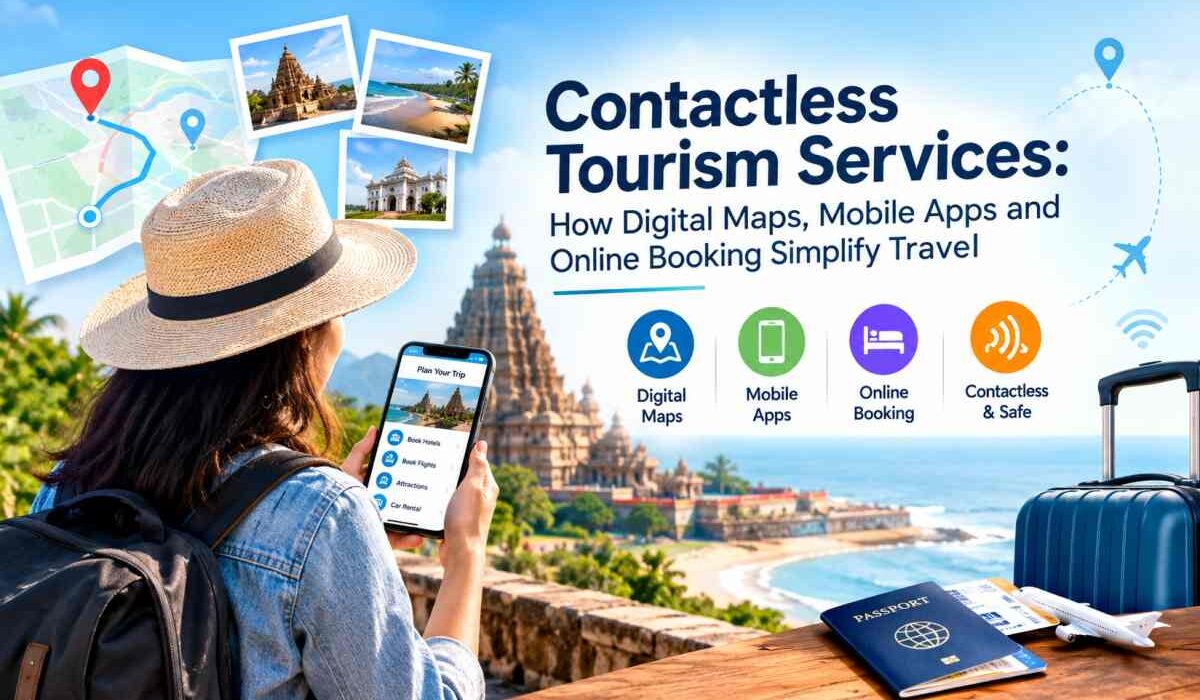
Contactless Tourism Services: How Digital Maps, Mobile Apps and Online Booking Simplify Travel
Introduction
The tourism industry is changing rapidly as digital technology transforms the way people plan, book, and experience their journeys. Travelers increasingly use smartphones, digital maps, mobile applications, and online booking platforms to organize trips without depending on printed documents, physical tickets, or in-person reservations. These developments have contributed to the growth of contactless tourism services, making travel more convenient, flexible, and accessible.
Contactless tourism refers to travel services that allow visitors to access information, make reservations, complete payments, and manage important travel arrangements through digital tools. Examples include mobile boarding passes, QR-code tickets, online hotel check-in, digital tourist guides, electronic payments, and smartphone navigation.
These services can simplify journeys by reducing paperwork, saving time, and helping tourists access important information wherever they are. They are especially useful for travelers visiting unfamiliar destinations, planning busy itineraries, or managing several reservations during a single trip.
Tourism businesses are also adopting digital solutions to improve customer service, streamline operations, and provide more personalized experiences.
However, contactless tourism is not simply about replacing human interaction with technology. Its real value lies in offering travelers more choices while maintaining safety, accessibility, privacy, and reliable assistance.
In this article, we explore how digital maps, mobile applications, online booking, and contactless services are transforming modern travel and shaping the future of tourism.
1. What Are Contactless Tourism Services?
Contactless tourism services are digital solutions that enable travelers to complete travel-related activities with minimal physical paperwork or face-to-face interaction.
These services allow tourists to find destinations, reserve accommodation, purchase attraction tickets, pay for transportation, and receive travel updates using internet-connected devices.
For example, a tourist visiting a new city can use a digital map to locate nearby attractions, book museum tickets through a mobile application, pay electronically, and present a QR code at the entrance.
Similarly, hotel guests may complete online check-in before arrival, receive digital room-access instructions where supported, and use mobile services to request assistance.
Contactless tourism includes several important technologies:
- Digital maps and GPS navigation.
- Mobile travel applications.
- Online booking and reservation systems.
- QR-code tickets and digital passes.
- Contactless and electronic payment options.
- Mobile boarding passes and travel documents.
- Digital tourist information guides.
- Online check-in and self-service kiosks.
Together, these technologies create a more connected travel experience. Travelers can manage many arrangements through their smartphones instead of carrying multiple paper documents or visiting several service counters.
Nevertheless, some services still require identification checks, physical documents, staff assistance, or traditional payment methods. Contactless systems complement these processes rather than eliminating every in-person requirement.
2. How Digital Maps Make Travel Easier
Digital maps have become essential tools for modern tourism. They help travelers explore unfamiliar locations, identify nearby attractions, and plan efficient routes between destinations.
Unlike traditional paper maps, digital mapping applications can provide real-time directions, estimated travel times, public transportation information, and location-based recommendations.
Real-Time Navigation
GPS-enabled navigation helps tourists travel through unfamiliar cities with greater confidence. Visitors can find hotels, restaurants, historical landmarks, shopping areas, and transport stations without constantly asking for directions.
Navigation applications can also suggest alternative routes when traffic conditions change. This can help travelers save time and adjust their plans throughout the day.
Discovering Nearby Attractions
Digital maps allow tourists to search for attractions according to their current location.
For example, visitors exploring a historic district can identify nearby museums, parks, cultural landmarks, cafés, and public facilities. Reviews, photographs, opening hours, and contact details may also be available.
This makes it easier to discover places that might not appear in a traditional travel itinerary.
Offline Maps for Remote Destinations
Internet connectivity is not always reliable, particularly in mountainous regions, rural destinations, or areas with expensive mobile data.
Many mapping services offer offline map downloads, allowing travelers to access selected navigation information without a continuous internet connection.
Tourists should download relevant maps before departure and check which features remain available offline.
Digital maps therefore make independent travel easier while helping visitors navigate destinations more efficiently.
3. The Growing Importance of Mobile Travel Applications
Mobile applications have transformed travel planning by bringing multiple services together in one convenient location.
Instead of visiting separate offices or searching through numerous documents, travelers can use mobile apps to organize accommodation, transportation, sightseeing, and important reservations.
All-in-One Travel Management
Travel applications may allow users to compare hotels, book flights, reserve rental vehicles, purchase attraction tickets, and store booking confirmations.
Some applications also organize itineraries automatically, helping travelers keep track of departure times, check-in deadlines, and planned activities.
Having essential information readily available reduces the need to search through emails or carry printed confirmations.
Personalized Recommendations
Many travel applications use location information, stated preferences, search activity, and other available data to suggest relevant attractions and services.
For example, a visitor interested in history might receive recommendations for museums and heritage sites, while a nature enthusiast might discover nearby parks or hiking routes.
Artificial intelligence is also being incorporated into some travel tools to help users create itineraries, compare destinations, and find answers to common questions.
However, recommendations are not always accurate or unbiased. Travelers should verify opening hours, prices, transport schedules, and other important details before making decisions.
Instant Travel Updates
Mobile applications can provide notifications about flight delays, reservation changes, weather disruptions, and transportation updates.
These alerts help travelers respond quickly when plans change.
For instance, a tourist whose train departure is delayed may have more time to explore a nearby attraction or adjust a restaurant reservation.
By combining information and essential services, mobile travel applications make tourism more organized and flexible.
4. Online Booking Makes Reservations More Convenient
Online booking is one of the most influential developments in contactless tourism.
Travelers can reserve hotels, flights, guided tours, rental vehicles, cruises, and attraction tickets through websites and mobile applications.
This convenience reduces the need to visit physical booking offices or make repeated telephone calls.
Easy Comparison of Travel Options
Online booking platforms allow travelers to compare prices, facilities, locations, schedules, and customer reviews.
A visitor planning a weekend trip can examine different accommodation options, compare cancellation policies, and select a property that fits their budget.
Similarly, tourists can review available tour packages and transportation options before committing to a purchase.
Comparing several alternatives helps travelers make more informed decisions.
Instant Confirmation and Digital Tickets
After completing a reservation, travelers may receive an electronic confirmation containing booking details, reference numbers, and instructions.
Digital tickets and QR codes can simplify entry to participating attractions, events, and transportation services.
Visitors can present the required digital pass on their smartphones instead of printing a ticket.
However, travelers should check whether a destination accepts digital tickets and keep access to essential confirmations in case their device loses power or connectivity.
Flexible Reservation Management
Some booking platforms allow travelers to modify dates, cancel reservations, or update passenger details online.
The available options depend on the provider’s policies and the type of booking.
Reading cancellation conditions and refund rules before payment is essential, especially when arranging international trips or reservations during busy travel periods.
Overall, online booking makes travel arrangements more accessible and helps visitors organize their journeys with greater confidence.
5. Contactless Payments and Digital Transactions
Electronic payments have become an important part of the modern travel experience.
Tourists can increasingly pay for accommodation, transportation, meals, and attraction tickets using mobile wallets, contactless bank cards, and other digital payment services.
These options reduce the need to carry large amounts of cash and can make transactions faster.
Faster Payments
Contactless payment systems can simplify purchases at hotels, restaurants, ticket counters, and transport facilities that support them.
Instead of counting cash or waiting for change, travelers may complete transactions by tapping a compatible card or device.
Better Spending Records
Digital transactions create electronic records that can help travelers monitor expenses.
Visitors can review purchases, identify unexpected charges, and maintain records for budgeting.
Some banking applications also categorize spending, making it easier to understand how much money has been spent on accommodation, transportation, food, and entertainment.
Important Security Precautions
Digital payments still involve risks, including phishing, fraudulent websites, unauthorized transactions, and compromised devices.
Travelers should use trusted payment services, protect their devices with secure authentication, and avoid entering payment information through suspicious links.
They should also check whether their payment cards work internationally and whether foreign transaction fees apply.
Carrying an alternative payment method is sensible because not every destination or business accepts digital payments.
When supported by reliable security measures, contactless payments can make tourism transactions more convenient and manageable.
6. How Hotels Are Adopting Contactless Technology
Hotels and accommodation providers are increasingly using digital tools to improve the guest experience.
Contactless hotel services can reduce waiting times, simplify communication, and allow visitors to manage certain arrangements independently.
Online Check-In
Some hotels allow guests to submit information before arrival and complete parts of the check-in process online.
This can reduce administrative work at reception and help guests access their rooms more quickly.
Identification checks and other formalities may still be required, depending on the property and local regulations.
Mobile Room Access
Where supported, hotels may offer digital room keys through mobile applications.
Guests can use compatible smartphones to access their rooms without collecting a traditional key card.
Such systems require appropriate device compatibility, security controls, and backup procedures in case access fails.
Digital Guest Services
Hotels may provide digital menus, mobile service requests, online concierge assistance, and electronic information guides.
Guests can use these tools to ask about breakfast times, request additional towels, explore local attractions, or learn about available facilities.
These services help accommodation providers respond more efficiently while allowing guests to choose how they interact with staff.
Importantly, contactless technology should not eliminate access to human assistance. Travelers may still need personal support for special requests, accessibility requirements, emergencies, or unexpected problems.
7. Digital Tourist Guides and Smart Destination Information
Tourist information services play a major role in helping visitors understand a destination.
Traditionally, travelers obtained information from printed brochures, guidebooks, tourist information centers, and professional guides.
Digital technology now offers additional ways to discover attractions, local traditions, transportation options, and important visitor information.
QR-Code Information Boards
Tourist attractions can place QR codes near monuments, museums, walking routes, and historical landmarks.
Visitors can scan these codes to access descriptions, photographs, audio guides, and information about the location’s history.
This approach can provide additional educational material without requiring large printed displays.
Audio Guides and Digital Tours
Mobile audio guides allow travelers to explore attractions at their own pace.
Visitors can listen to explanations while walking through museums, heritage sites, or cultural districts.
Some digital tours offer multiple languages, helping international visitors understand local history and traditions.
Multilingual Tourist Information
Language barriers can make travel challenging, particularly when visitors need information about public transportation, local customs, or important services.
Digital translation tools and multilingual tourism websites can help travelers communicate more effectively.
However, automated translations may contain errors, especially when dealing with legal requirements, safety instructions, or culturally specific expressions.
Important information should be verified through reliable local sources.
Digital tourist guides make destination information easier to access while supporting more independent and informed travel.
8. Benefits of Contactless Tourism for Travelers
Contactless tourism services provide several practical benefits for visitors.
Greater convenience: Travelers can manage bookings, payments, navigation, and itineraries using familiar digital devices.
Time savings: Online reservations and digital tickets can reduce queues and paperwork at participating businesses.
Improved flexibility: Mobile applications make it easier to adjust plans when schedules, weather, or personal preferences change.
Better access to information: Digital guides and maps provide details about attractions, facilities, routes, and local services.
Simplified organization: Electronic confirmations and travel applications help visitors keep important information together.
More independent exploration: Tourists can discover destinations without depending entirely on organized tours or printed guidebooks.
Potentially reduced paper use: Digital tickets, confirmations, and brochures can reduce the need for printed materials.
However, these benefits depend on reliable infrastructure, accurate information, accessible design, and the availability of suitable digital services.
9. Benefits for Tourism Businesses
Contactless tourism also creates opportunities for hotels, tour operators, attractions, restaurants, and transportation providers.
Digital systems can automate repetitive tasks and help businesses serve customers more efficiently.
Improved Operational Efficiency
Online reservations, electronic payments, and automated confirmations can reduce manual administrative work.
Staff may spend less time processing routine bookings and more time addressing customer needs.
Better Customer Communication
Businesses can send booking reminders, schedule updates, digital instructions, and relevant travel information through email or mobile notifications.
Clear communication helps visitors understand what to expect before arrival.
Valuable Business Insights
Digital booking systems can help tourism businesses identify booking patterns, popular services, seasonal demand, and customer preferences.
These insights can support decisions about staffing, marketing, pricing, and service improvements.
Wider Customer Reach
Websites and booking applications allow tourism businesses to reach customers beyond their immediate geographic area.
Small tour operators and local attractions can promote their services to domestic and international visitors without depending exclusively on physical offices.
Nevertheless, businesses must protect customer information, maintain accurate listings, and provide support when digital systems fail.
Technology delivers the greatest value when it improves service quality rather than creating additional barriers for customers.
10. Challenges of Contactless Tourism Services
Despite their advantages, contactless tourism services are not suitable for every traveler or situation.
Understanding their limitations is important for creating a reliable and inclusive travel experience.
Internet Connectivity Problems
Digital bookings, maps, and payment systems may depend on internet access.
Travelers visiting remote locations may experience weak connectivity or high roaming charges.
Downloading maps, saving booking confirmations, and checking important travel details before departure can reduce these difficulties.
Digital Skills and Accessibility
Not everyone is comfortable using mobile applications, scanning QR codes, or completing online transactions.
Older travelers and people with certain disabilities may encounter additional barriers if digital services are poorly designed.
Tourism providers should offer accessible interfaces, clear instructions, and alternative service options.
Privacy and Data Security
Travel applications may collect location information, contact details, payment records, and reservation histories.
Businesses should explain how customer information is collected and used, follow applicable privacy requirements, and protect stored data.
Travelers should review app permissions and avoid sharing unnecessary personal information.
Technology Failures
Battery problems, software errors, network outages, and incorrect information can interrupt a journey.
Keeping essential confirmations available offline, carrying a portable charger, and knowing how to contact service providers can help.
Contactless tourism works best when businesses maintain reliable backup procedures and human support.
11. The Future of Contactless Tourism
Contactless tourism is likely to develop further as artificial intelligence, digital identity systems, connected devices, and smarter transportation services become more widely available.
AI-powered travel assistants may help visitors organize itineraries, answer destination-related questions, and adjust plans according to weather, opening hours, and personal preferences.
Augmented reality could provide interactive information about historical buildings, museums, and cultural attractions through compatible devices.
Integrated booking platforms may make it easier to manage transportation, accommodation, and sightseeing within a single itinerary.
Digital identity and secure verification systems may also simplify selected travel procedures where officially supported.
At the same time, tourism providers will need to address data protection, accessibility, system reliability, and the digital divide.
Not every traveler wants a completely digital experience. Some visitors prefer speaking with local guides, asking hotel staff for recommendations, or purchasing tickets in person.
The most effective future tourism services will combine digital convenience with meaningful human interaction.
Technology should help people explore destinations more easily while preserving the cultural experiences and personal connections that make travel valuable.
Conclusion
Contactless tourism services are transforming the way travelers discover destinations, manage reservations, navigate unfamiliar places, and pay for travel experiences.
Digital maps help visitors explore efficiently, mobile applications bring essential information together, and online booking makes it easier to arrange accommodation, transportation, and attractions.
Digital tourist guides, electronic payments, and hotel self-service options can further improve convenience while helping tourism businesses streamline operations.
However, successful contactless tourism requires more than introducing new technology. Reliable information, secure transactions, accessible services, privacy protection, and human assistance remain essential.
Travelers should prepare for connectivity problems, verify important booking details, and maintain alternatives when digital tools are unavailable.
Tourism businesses should focus on creating systems that are easy to use and helpful to people with different needs and levels of digital experience.
As technology continues to advance, contactless tourism will play an increasingly important role in travel planning and destination management.
Ultimately, the purpose of digital tourism services is not to remove the human side of travel. It is to make journeys simpler, more organized, and more enjoyable, giving travelers more time to discover destinations, experience local cultures, and create lasting memories.
Frequently Asked Questions (FAQs)
1. What are contactless tourism services?
Contactless tourism services use digital technology to help travelers access information, make reservations, complete payments, and manage travel arrangements with minimal paperwork or face-to-face interaction.
2. How do digital maps help tourists?
Digital maps provide navigation, estimated travel times, location information, and directions to attractions, hotels, restaurants, and transport stations. Some services also offer offline maps.
3. What are the advantages of online booking for travelers?
Online booking allows travelers to compare prices, check availability, review policies, reserve services, and receive digital confirmations without visiting physical booking offices.
4. Are contactless payments safe when traveling?
Contactless payments can be convenient when used with trusted services and secure devices. Travelers should protect their payment information, monitor transactions, and carry a backup payment method.
5. How do mobile apps improve the tourism experience?
Mobile apps help travelers organize itineraries, access digital tickets, find attractions, receive travel updates, and manage reservations from their smartphones.
6. What challenges do contactless tourism services create?
Common challenges include internet connectivity problems, privacy risks, technology failures, accessibility barriers, and difficulties for travelers who are unfamiliar with digital tools.
7. What is the future of contactless tourism?
The future may include AI-powered travel assistants, smarter booking systems, interactive digital guides, integrated travel applications, and more personalized destination information.
8. Can contactless tourism replace traditional tourist information centers?
Not completely. Digital services can provide convenient information, but tourist information centers remain valuable for personalized guidance, accessibility support, complex questions, and assistance during unexpected situations.
SEO Details
SEO Meta Title: Contactless Tourism Services: Digital Maps, Apps and Online Booking
SEO Meta Description: Discover how contactless tourism services use digital maps, mobile apps, online booking, and electronic payments to make travel easier and more convenient.
Suggested URL Slug: contactless-tourism-services-digital-maps-mobile-apps-online-booking
Primary SEO Keyword: Contactless tourism services
Secondary SEO Keywords:
- Digital tourism services
- Digital maps for tourists
- Mobile travel applications
- Online travel booking
- Contactless travel technology
- Digital tourist information
- Smart tourism technology
- Contactless hotel check-in
- Travel technology trends
- Online booking for tourists
Suggested Blog Category: Tourist Information
Suggested Tags: Contactless Tourism, Digital Travel, Travel Technology, Tourist Information, Mobile Travel Apps, Online Booking, Smart Tourism, Digital Maps, Travel Planning, Tourism Trends