
 By
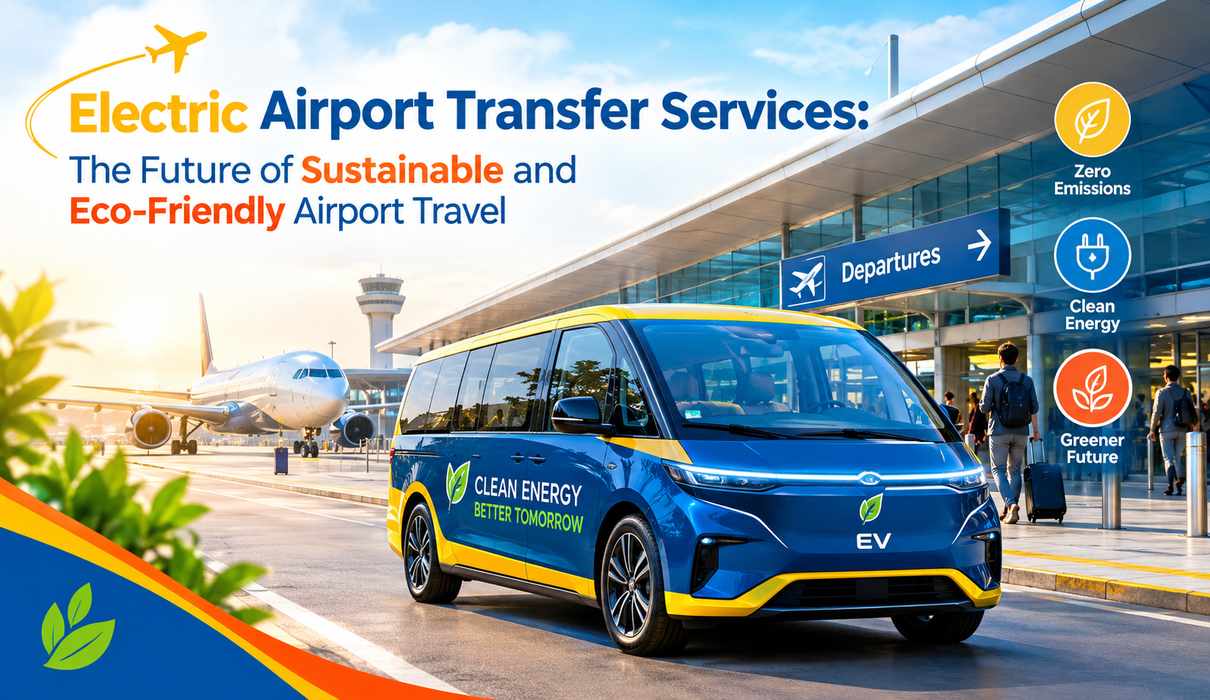
Electric Airport Transfer Services: The Future of Sustainable and Eco-Friendly Airport Travel
The global transportation industry is experiencing a major transformation as sustainability becomes an increasingly important priority for governments, businesses, and travelers. Among the most promising developments is the growing adoption of electric airport transfer services, which offer a cleaner and more environmentally responsible alternative to conventional airport transportation.
Airports are major transportation hubs where thousands of passengers depend on taxis, private cars, shuttle buses, and chauffeur services every day. Traditionally, many of these vehicles have relied on petrol or diesel, contributing to air pollution, greenhouse gas emissions, and operating costs.
However, electric vehicles (EVs) are changing how passengers travel between airports, hotels, homes, and business destinations.
With improvements in battery technology, charging infrastructure, digital booking platforms, and sustainable mobility solutions, eco-friendly airport transfers are becoming an increasingly practical transportation option.
As the travel industry moves toward 2027, electric airport transportation is expected to play a growing role in creating cleaner, smarter, and more efficient travel experiences.
This article explores the benefits, technologies, challenges, and future opportunities associated with electric airport transfer services.
What Are Electric Airport Transfer Services?
Electric airport transfer services use electric-powered vehicles to transport passengers between airports and their destinations.
Unlike traditional petrol or diesel vehicles, battery-electric vehicles operate using rechargeable batteries and electric motors. They produce no exhaust emissions while driving, making them particularly valuable in busy urban environments.
Electric airport transportation services may include:
- Electric airport taxis: Battery-powered taxis providing airport pickup and drop-off services.
- Private electric transfers: Pre-booked electric cars offering personalized airport transportation.
- Electric shuttle buses: Shared transportation connecting airports with hotels, railway stations, and city centers.
- Luxury electric chauffeur services: Premium electric vehicles offering comfortable business and executive travel.
- Electric hotel transfers: Sustainable transportation arranged by hotels and hospitality providers.
These services combine environmental responsibility with the convenience of modern airport transportation.
Why Sustainable Airport Transportation Is Becoming Important
Sustainability has become an important consideration in the aviation and tourism industries.
Although aircraft emissions receive significant attention, ground transportation also contributes to the environmental impact of air travel.
Passengers traveling to and from airports often depend on private vehicles, taxis, and buses. These journeys generate emissions, particularly when vehicles operate in congested urban areas.
Electric airport transfers can help address this challenge.
1. Reducing Vehicle Exhaust Emissions
Battery-electric vehicles produce no tailpipe emissions during operation.
Replacing conventional airport taxis with electric alternatives can help reduce local air pollution, including nitrogen oxides and particulate emissions associated with vehicle exhaust.
However, the overall environmental benefit depends partly on electricity generation, battery production, and vehicle usage.
2. Supporting Sustainable Tourism
Environmentally conscious travelers increasingly consider transportation options when planning their journeys.
Choosing an electric airport taxi or shuttle allows passengers to incorporate sustainability into their travel decisions.
3. Improving Urban Air Quality
Airports often operate near densely populated urban areas.
Electric vehicles can help reduce exhaust pollution along airport access roads, hotel routes, and city transportation corridors.
4. Supporting Corporate Sustainability Goals
Businesses seeking to reduce emissions associated with employee travel may prefer electric airport transfer providers.
Companies can include electric ground transportation within broader sustainable business travel policies.
Major Benefits of Electric Airport Transfer Services
The growing interest in electric airport transportation is driven by several environmental, economic, and passenger-focused advantages.
1. Environmentally Responsible Transportation
One of the biggest benefits of electric airport transfers is their potential to reduce transportation-related emissions.
Electric vehicles generally offer lower lifecycle greenhouse gas emissions than comparable conventional vehicles in many electricity systems.
Their environmental performance can improve further as renewable electricity becomes more widely available.
2. Comfortable and Quiet Travel
Electric vehicles operate more quietly than conventional combustion-engine vehicles.
Passengers can enjoy a smoother and quieter journey, particularly during early-morning airport pickups or late-night transfers.
This feature is especially appealing to business travelers and families.
3. Potentially Lower Operating Costs
Electric vehicles can offer lower energy and maintenance costs under suitable operating conditions.
Electric motors contain fewer moving parts than traditional combustion engines, reducing certain maintenance requirements.
For airport transfer operators, these savings may improve long-term operational efficiency.
4. Convenient Digital Booking
Many electric airport transfer providers use online reservation systems and mobile applications.
Passengers may be able to select pickup locations, schedule transfers, make digital payments, and receive booking confirmations.
5. Modern Passenger Experience
Electric airport transportation combines sustainable mobility with modern vehicle technology.
Features such as navigation systems, digital displays, climate control, and connected booking platforms can improve passenger convenience.
How Technology Is Transforming Electric Airport Transfers
Technology plays a central role in making electric airport transportation more reliable and accessible.
AI-Powered Route Optimization
Artificial intelligence can help transportation operators analyze traffic conditions, passenger demand, and vehicle availability.
AI-supported route planning may reduce unnecessary driving, improve scheduling, and optimize vehicle utilization.
For electric fleets, efficient routing also helps manage battery consumption.
Real-Time Flight Tracking
Flight delays and schedule changes create challenges for airport transportation providers.
Modern booking platforms can integrate flight information to adjust pickup schedules.
This helps reduce unnecessary waiting and improves coordination between passengers and drivers.
Smart Charging Management
Electric airport transfer fleets require dependable charging infrastructure.
Smart charging systems can schedule vehicle charging based on electricity prices, battery levels, and expected transportation demand.
Fleet operators may also use charging management software to reduce operational disruptions.
GPS and Vehicle Tracking
GPS technology allows transportation providers to monitor vehicle locations and estimated arrival times.
Passengers can receive pickup updates, while operators can coordinate multiple airport transfers more efficiently.
Digital Payments and Contactless Services
Online payments, digital invoices, and electronic booking confirmations simplify airport transportation.
These technologies can reduce administrative work and create a more convenient passenger experience.
Electric Airport Transfers in India: A Growing Opportunity
India represents an important potential market for electric airport transportation.
Major cities such as Delhi, Mumbai, Bengaluru, Hyderabad, Chennai, and Kolkata experience substantial demand for airport taxis and ground transportation.
As electric mobility develops, airport transfer operators have opportunities to introduce battery-electric vehicles into their fleets.
Government Support for Electric Mobility
India has introduced policies and initiatives intended to support electric vehicle adoption, manufacturing, and charging infrastructure.
Programs such as PM E-DRIVE reflect the government’s broader efforts to encourage electric mobility.
However, eligibility, incentives, and implementation requirements vary by vehicle category and policy.
Expanding Charging Infrastructure
Public and private investment in EV charging infrastructure can make electric airport transportation more practical.
Charging facilities near airports, commercial transportation hubs, hotels, and fleet depots are particularly important.
Reliable charging access helps operators manage daily schedules and vehicle availability.
Opportunities for Airport Taxi Operators
Electric vehicles may provide commercial advantages for operators serving predictable airport routes.
Businesses can evaluate vehicle range, charging availability, passenger demand, and operating expenses before expanding their fleets.
Sustainable Business Travel
Corporate travelers frequently require dependable airport pickup and drop-off services.
Electric chauffeur services can provide businesses with a transportation option that supports sustainability objectives without sacrificing passenger comfort.
Electric Airport Transfers vs. Traditional Airport Taxis
Understanding the differences between electric and conventional airport transportation can help passengers make informed choices.
| Feature | Electric Airport Transfers | Traditional Airport Taxis |
|---|---|---|
| Energy source | Electricity | Petrol, diesel, or other fuels |
| Tailpipe emissions | Zero | Emissions from combustion vehicles |
| Noise | Generally quieter | Typically louder |
| Maintenance | Often lower routine powertrain maintenance | More combustion-engine maintenance |
| Refueling or charging | Requires charging time | Usually faster refueling |
| Operating costs | Depend on electricity rates and utilization | Depend on fuel prices and vehicle efficiency |
| Availability | Varies by location | Often widely available |
| Environmental impact | Depends on electricity and vehicle lifecycle | Depends on fuel use and vehicle lifecycle |
Electric airport transfers offer important advantages, but conventional taxis may remain more practical where charging facilities are limited.
Challenges Facing Electric Airport Transfer Services
Despite their potential, electric airport transportation providers face several challenges.
1. Limited Charging Availability
Charging infrastructure remains unevenly distributed across cities and transportation corridors.
Airport transfer companies need dependable charging locations to maintain consistent service.
2. Higher Initial Vehicle Investment
Electric vehicles can require higher upfront investment than comparable conventional vehicles.
However, lower energy and maintenance expenses may offset some costs over time.
Operators should calculate total ownership costs rather than focusing only on purchase prices.
3. Charging Time
Charging generally takes longer than conventional vehicle refueling.
Fleet operators must plan charging schedules carefully, especially during busy airport operating hours.
4. Battery Range Management
Vehicle range depends on battery capacity, traffic conditions, driving style, temperature, and air-conditioning usage.
Airport transfer operators must ensure vehicles have sufficient battery capacity for scheduled journeys.
5. Passenger Awareness
Some travelers may not know that electric airport transfers are available.
Clear information about booking, vehicle types, pricing, and environmental benefits can encourage adoption.
The Role of Renewable Energy in Electric Airport Transportation
Renewable energy can further improve the environmental performance of electric airport transfers.
When electric vehicles are charged using lower-carbon electricity, their operational carbon footprint can decrease.
Airports and transportation operators may explore solar-powered charging stations, renewable electricity procurement, and energy storage systems.
Solar-Powered Charging Stations
Solar panels installed at parking facilities, terminals, and transportation depots can generate electricity for EV charging.
The effectiveness of these systems depends on available space, sunlight, charging demand, and electricity storage arrangements.
Battery Energy Storage
Battery storage systems can help manage charging demand and improve the use of renewable electricity.
They may also reduce pressure on electrical infrastructure during peak charging periods.
Smart Energy Management
Digital energy management systems can coordinate charging activities with electricity availability and operational schedules.
These solutions can improve efficiency and support more sustainable fleet management.
How Electric Airport Transfers Improve Passenger Experiences
Sustainability is important, but passengers also expect reliable, safe, and convenient transportation.
Electric airport transfer services can combine these priorities.
Easy Airport Pickup and Drop-Off
Pre-booked transfers allow passengers to arrange transportation before arriving at the airport.
Clear pickup instructions and driver communication can reduce confusion after landing.
Comfortable Travel for Families
Electric SUVs and larger passenger vehicles may provide suitable options for families carrying luggage.
Passengers should confirm seating capacity and luggage space before booking.
Reliable Corporate Transportation
Business travelers often prioritize punctuality, comfort, and efficient booking.
Electric chauffeur services can meet these requirements when supported by reliable fleet operations.
Transparent Pricing
Digital booking platforms may offer fixed fares or estimated prices before confirmation.
Passengers should check whether airport parking, waiting time, tolls, and additional charges are included.
Better Travel Planning
Flight tracking, driver notifications, and live vehicle locations can help passengers manage airport transfers more confidently.
Future Trends in Electric Airport Transfers for 2027 and Beyond
Several developments could influence the future of sustainable airport transportation.
1. Expansion of Electric Airport Taxi Fleets
As electric vehicle technology develops, more transportation operators may consider replacing conventional vehicles with electric alternatives.
Adoption will depend on vehicle economics, infrastructure, and local demand.
2. Growth of Electric Luxury Transfers
Premium electric vehicles may become more common in executive airport transportation.
Quiet operation, advanced technology, and comfortable interiors make electric vehicles attractive for luxury travel services.
3. AI-Enabled Fleet Management
Advanced fleet software could help operators forecast demand, schedule charging, and allocate vehicles efficiently.
These systems may improve operational performance and passenger service reliability.
4. More Electric Airport Shuttle Services
Electric minibuses and shuttle buses could provide efficient shared transportation between airports, hotels, and city centers.
Shared services may reduce emissions per passenger when vehicles achieve sufficient occupancy.
5. Integration With Travel Booking Platforms
Travel websites, hotel reservation systems, and airline applications may increasingly incorporate electric airport transfer options.
Integrated booking could make sustainable transportation easier to discover and reserve.
6. Improved Battery Technology
Advances in battery technology may increase driving range, improve charging performance, and reduce vehicle costs.
These improvements could make electric vehicles more suitable for intensive airport transportation operations.
How to Choose the Best Electric Airport Transfer Service
Passengers should consider several factors when selecting an electric airport transportation provider.
Check service availability: Confirm that electric vehicles operate between the airport and your destination.
Compare transportation prices: Review fares, waiting charges, airport fees, and cancellation policies.
Verify vehicle suitability: Ensure the vehicle provides enough seating and luggage capacity.
Review customer feedback: Look for information about punctuality, vehicle condition, and customer service.
Confirm flight monitoring: Ask whether the provider adjusts pickup times when flights are delayed.
Check booking flexibility: Choose services offering clear communication and convenient reservation management.
Prioritize safety: Confirm that the operator uses appropriately licensed drivers and maintains its vehicles.
Selecting a reliable provider is just as important as choosing an environmentally responsible vehicle.
How Airport Transfer Businesses Can Adopt Electric Vehicles
Transportation companies planning to introduce electric airport transfers should develop a practical implementation strategy.
First, operators should analyze their most frequently used routes, average journey distances, passenger demand, and daily vehicle utilization.
Next, they should evaluate electric vehicle models based on driving range, charging compatibility, luggage capacity, and total ownership costs.
Charging infrastructure planning is another essential requirement.
Businesses may benefit from partnerships with charging providers, airports, hotels, and commercial parking facilities.
Driver training can also improve vehicle efficiency, passenger service, and charging management.
Finally, operators should communicate the availability and benefits of electric airport transportation through their websites, booking platforms, and marketing channels.
A carefully planned transition can help businesses improve sustainability while maintaining reliable transportation services.
Conclusion
Electric airport transfer services are becoming an important part of the future of sustainable and eco-friendly airport travel.
By combining battery-electric vehicles, digital booking platforms, smart charging systems, and efficient fleet management, transportation providers can offer cleaner and more convenient airport journeys.
Electric vehicles can reduce local exhaust pollution, support corporate sustainability goals, and provide passengers with quiet and comfortable transportation.
However, charging infrastructure, vehicle investment, battery management, and operational planning remain important challenges.
As technology advances and electric mobility infrastructure expands, electric airport taxis, private transfers, and shared shuttle services could become increasingly accessible.
For travelers, choosing an electric airport transfer is a practical way to support more sustainable ground transportation.
For transportation businesses, adopting electric vehicles offers an opportunity to prepare for changing customer expectations and the future of modern airport mobility.
Ultimately, the future of airport transportation will depend not only on cleaner vehicles but also on reliable services, intelligent technology, and sustainable business practices.