
 By
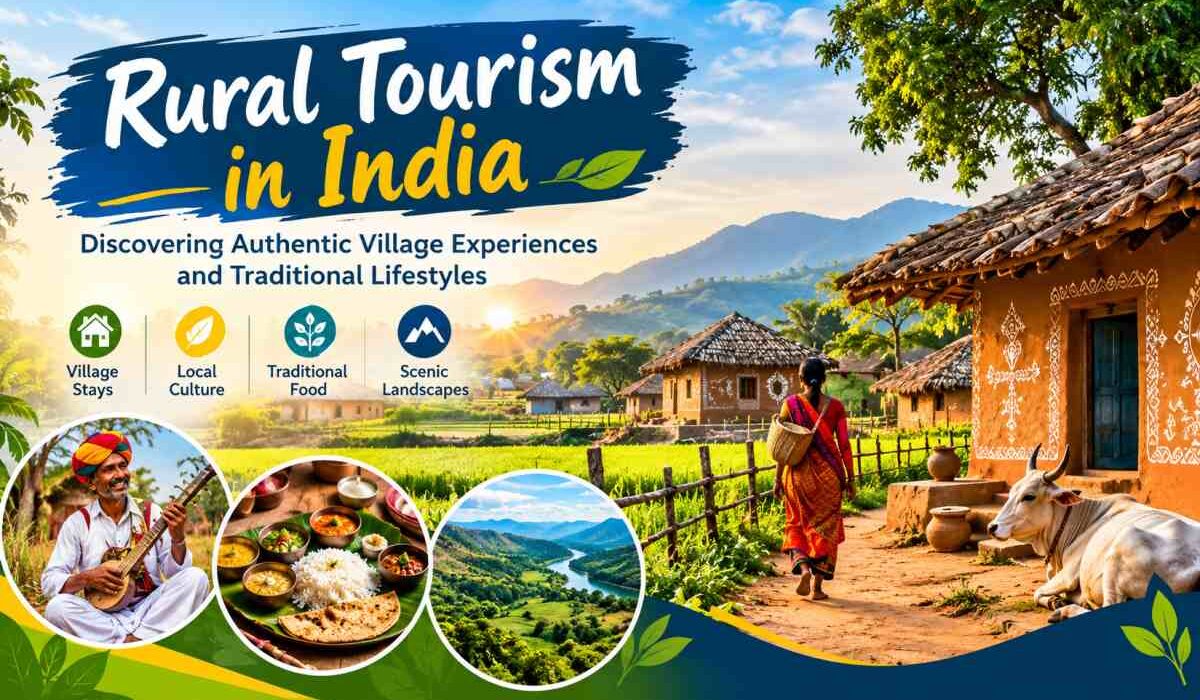
Rural Tourism in India: Discovering Authentic Village Experiences and Traditional Lifestyles
Introduction
India is a country of extraordinary cultural diversity, ancient traditions, beautiful landscapes, and vibrant communities. While popular destinations such as Goa, Jaipur, Manali, and Kerala attract millions of tourists, another fascinating side of Indian tourism is gaining attention: rural tourism in India.
Rural tourism allows travelers to explore traditional villages, experience local lifestyles, enjoy regional cuisines, and discover cultural practices that have been preserved for generations. Unlike conventional tourism, which often focuses on famous attractions and luxury accommodations, rural tourism emphasizes authentic experiences, meaningful cultural connections, and sustainable travel.
From the peaceful villages of Rajasthan to the lush countryside of Kerala and the artistic communities of West Bengal, rural India offers countless opportunities for unforgettable travel experiences.
As travelers increasingly seek peaceful destinations, cultural immersion, and environmentally responsible holidays, village tourism in India is emerging as an appealing alternative to crowded tourist locations.
This article explores the importance of rural tourism, popular village destinations, traditional experiences, economic benefits, challenges, and practical tips for planning a memorable rural vacation.
What Is Rural Tourism in India?
Rural tourism refers to travel experiences centered around villages, agricultural communities, traditional occupations, local cultures, and natural environments.
It provides visitors with opportunities to understand everyday village life while supporting local communities through tourism-related activities.
Unlike urban tourism, rural travel often involves staying in family-operated accommodations, participating in agricultural activities, learning traditional crafts, and enjoying locally prepared meals.
Key Features of Rural Tourism
- Authentic cultural experiences: Discover traditional customs, festivals, music, and regional lifestyles.
- Community-based tourism: Support village residents through locally managed tourism activities.
- Nature-based experiences: Explore farms, forests, rivers, mountains, and peaceful countryside landscapes.
- Traditional accommodation: Stay in rural homestays, heritage houses, and eco-friendly cottages.
- Sustainable travel: Encourage responsible tourism practices that protect local environments and cultural heritage.
The primary objective of rural tourism is to create meaningful connections between visitors and rural communities while generating economic opportunities for residents.
Why Rural Tourism Is Becoming Popular in India
The growing interest in rural tourism reflects changing travel preferences. Many tourists now prioritize meaningful experiences over conventional sightseeing.
1. Growing Demand for Authentic Travel Experiences
Modern travelers increasingly want to experience destinations beyond popular tourist attractions.
Village tourism offers opportunities to interact with local artisans, farmers, and community members while learning about traditional Indian lifestyles.
These interactions provide deeper cultural understanding and create memorable travel experiences.
2. Preference for Peaceful and Less Crowded Destinations
Busy cities and overcrowded tourist locations can make vacations stressful.
Rural destinations provide peaceful surroundings, fresh air, scenic landscapes, and opportunities to reconnect with nature.
Travelers seeking relaxation often appreciate the slower pace of village life.
3. Increasing Interest in Sustainable Tourism
Environmental awareness is influencing travel decisions.
Rural tourism can promote eco-friendly accommodation, locally sourced food, responsible waste management, and community-led conservation.
However, sustainability depends on how tourism is managed, including its environmental impact and the distribution of benefits among residents.
4. Popularity of Experiential Tourism
Experiential tourism focuses on participating in local activities rather than simply visiting attractions.
Traditional cooking classes, pottery workshops, farming demonstrations, and village walks allow tourists to engage directly with regional culture.
These experiences make rural tourism particularly appealing to curious travelers.
Best Rural Tourism Destinations in India
India offers numerous villages known for their cultural heritage, natural beauty, traditional architecture, and community-based tourism initiatives.
1. Mawlynnong, Meghalaya
Mawlynnong is a picturesque village in Meghalaya, widely recognized for its community cleanliness initiatives and scenic surroundings.
Surrounded by greenery, the village offers visitors opportunities to explore traditional Khasi culture.
Popular Experiences:
- Explore village pathways and traditional homes.
- Visit nearby living root bridges.
- Learn about local environmental practices.
- Enjoy regional cuisine and peaceful landscapes.
Mawlynnong is an attractive destination for travelers interested in nature and responsible village tourism.
2. Hodka Village, Gujarat
Located in the Kutch region, Hodka is known for its traditional handicrafts, distinctive architecture, and cultural heritage.
Visitors can experience local embroidery traditions, handmade textiles, and regional hospitality.
Popular Experiences:
- Stay in traditional-style rural accommodation.
- Discover Kutchi handicrafts and embroidery.
- Enjoy folk music and cultural performances.
- Explore the surrounding desert landscape.
Hodka demonstrates how tourism can create opportunities for traditional artisans and local communities.
3. Kumarakom, Kerala
Kumarakom is a beautiful backwater destination where visitors can experience Kerala’s rural landscapes and traditional lifestyles.
Its surrounding villages offer opportunities to explore agriculture, fishing traditions, and local cuisine.
Popular Experiences:
- Enjoy village walks and backwater excursions.
- Discover traditional Kerala cooking.
- Observe local fishing practices.
- Explore coconut groves and agricultural landscapes.
Community-based tourism initiatives in the region provide opportunities to connect with local residents.
4. Bishnupur, West Bengal
Bishnupur is famous for its terracotta temples, Baluchari sarees, and traditional craftsmanship.
The town and its surrounding communities offer visitors an opportunity to discover Bengal’s artistic heritage.
Popular Experiences:
- Visit historic terracotta temples.
- Explore traditional weaving communities.
- Discover local handicrafts.
- Experience regional Bengali cuisine.
Bishnupur is an excellent destination for travelers interested in heritage tourism and traditional crafts.
5. Khonoma, Nagaland
Khonoma is a scenic village known for its community conservation efforts, traditional Naga culture, and agricultural landscapes.
The village offers opportunities to understand local heritage and community-managed environmental practices.
Popular Experiences:
- Explore traditional village architecture.
- Learn about local conservation initiatives.
- Experience regional food traditions.
- Discover agricultural terraces and surrounding landscapes.
Khonoma highlights the connection between cultural preservation, environmental responsibility, and rural tourism.
Authentic Village Experiences Every Traveler Should Try
The greatest attraction of rural tourism in India is the opportunity to experience everyday village traditions.
Traditional Farming and Agricultural Activities
Agriculture remains an important livelihood across rural India.
Depending on the destination and season, tourists may participate in supervised farming activities such as planting seedlings, harvesting crops, or learning about traditional irrigation methods.
These experiences help visitors understand agricultural practices and the importance of farming communities.
Traditional Indian Cooking Experiences
Food is an essential part of India’s cultural identity.
Village homestays often introduce travelers to regional dishes prepared with locally available ingredients.
Visitors may learn traditional cooking methods, explore local markets, and understand the cultural significance of regional recipes.
Such experiences offer an authentic introduction to India’s diverse culinary traditions.
Handicraft and Artisan Workshops
Indian villages preserve remarkable artistic traditions, including pottery, weaving, embroidery, woodcarving, and bamboo craftsmanship.
Participating in artisan workshops allows visitors to appreciate the skills involved in producing handmade goods.
Purchasing directly from artisans can also help support traditional livelihoods.
Folk Music, Dance, and Cultural Festivals
Rural communities celebrate numerous regional festivals featuring music, dance, storytelling, and traditional performances.
Visitors may have opportunities to attend community-approved cultural events and learn about local customs.
Respectful participation helps encourage cultural appreciation without treating community traditions merely as entertainment.
Traditional Indian Village Lifestyle and Cultural Heritage
The traditional Indian village lifestyle reflects a close relationship between community, agriculture, nature, and regional customs.
Although lifestyles vary significantly across states, several cultural elements remain important in many rural communities.
Community Relationships
Village communities often maintain strong social networks through festivals, shared activities, and local institutions.
Visitors can learn how cooperation and community participation influence everyday life.
Traditional Architecture
Rural India features diverse architectural styles shaped by climate, available materials, and cultural practices.
Examples include mud houses in parts of Rajasthan, bamboo structures in northeastern India, and courtyard homes in southern regions.
These buildings demonstrate how traditional architecture can respond to local environmental conditions.
Local Markets and Traditional Occupations
Village markets offer insights into regional agricultural products, handmade goods, and everyday economic activities.
Exploring these markets can provide opportunities to interact with local producers and understand traditional occupations.
Benefits of Rural Tourism for Local Communities
When planned responsibly, rural tourism can generate meaningful social and economic benefits.
1. Employment Opportunities
Tourism creates potential employment in hospitality, guiding, transportation, food preparation, and handicraft production.
These opportunities can provide additional income sources for rural households.
2. Support for Local Artisans
Tourists purchasing locally produced crafts help create demand for traditional products.
This demand may encourage younger generations to learn and preserve regional artistic skills.
3. Women’s Economic Participation
Community-based tourism can create opportunities for women through homestay management, catering, handicraft enterprises, and local tourism services.
Access to training, fair compensation, and decision-making opportunities is essential for meaningful participation.
4. Cultural Heritage Preservation
Responsible tourism can encourage communities to maintain traditional crafts, historic buildings, regional cuisine, and cultural practices.
Preservation efforts are most effective when local residents determine how their heritage is presented.
5. Rural Infrastructure Development
Tourism demand may encourage improvements in transportation, sanitation, digital connectivity, and visitor facilities.
However, development should prioritize community needs and avoid placing unnecessary pressure on local resources.
Sustainable Rural Tourism in India
Sustainability is essential for ensuring that rural tourism benefits communities without damaging their environments or cultural identities.
Responsible rural tourism focuses on minimizing negative impacts while maximizing local participation.
Eco-Friendly Accommodation
Environmentally conscious rural stays may incorporate energy-efficient lighting, rainwater harvesting, natural ventilation, and responsible waste management.
Traditional building materials can also offer environmental advantages when sourced and maintained responsibly.
Supporting Local Businesses
Travelers can contribute to rural economies by choosing locally owned accommodation, hiring community guides, and purchasing handmade products.
Keeping tourism spending within communities can strengthen local economic benefits.
Protecting Natural Resources
Visitors should avoid littering, conserve water, respect wildlife, and follow designated walking routes.
These practices are particularly important in environmentally sensitive rural destinations.
Respecting Local Culture
Travelers should request permission before photographing residents, entering private spaces, or participating in cultural activities.
Respecting community customs helps create positive relationships between visitors and hosts.
Role of Government Initiatives in Promoting Rural Tourism
Government programs can support rural tourism through infrastructure development, destination promotion, skill training, and community participation.
India’s Ministry of Tourism has promoted rural tourism through initiatives encouraging the identification and development of distinctive village destinations.
Programs such as the Best Tourism Villages Competition have highlighted villages demonstrating cultural heritage, community participation, and sustainable tourism practices.
The Swadesh Darshan 2.0 initiative also emphasizes sustainable and responsible tourism destination development.
State tourism departments and local organizations contribute through destination marketing, homestay initiatives, and tourism-related training.
Successful rural tourism development requires coordination among government agencies, local businesses, and village communities.
How Technology Is Transforming Rural Tourism
Digital technology is making lesser-known rural destinations more accessible to travelers.
Online Homestay Booking
Digital accommodation platforms allow travelers to discover rural stays, compare facilities, and communicate with hosts.
Clear descriptions and verified reviews help visitors make informed decisions.
Social Media Promotion
Social media enables local tourism operators and artisans to showcase village experiences, handicrafts, and cultural attractions.
Responsible promotion should avoid revealing private locations or encouraging overcrowding.
Digital Payments
Digital payment systems can simplify transactions for travelers and participating rural businesses where reliable connectivity is available.
Digital Storytelling
Videos, virtual tours, and online travel guides can introduce tourists to regional traditions before their visits.
These tools also provide opportunities for communities to present their heritage in their own voices.
Challenges Facing Rural Tourism in India
Despite its potential, rural tourism faces several challenges.
Limited Infrastructure
Some villages have restricted transportation services, healthcare access, sanitation facilities, or internet connectivity.
These limitations can affect visitor comfort and accessibility.
Lack of Tourism Training
Community members may require additional training in hospitality, visitor safety, marketing, and business management.
Environmental Pressure
Unmanaged tourism can increase waste generation, water consumption, and pressure on fragile ecosystems.
Cultural Commercialization
Excessive tourism may encourage artificial performances or changes to traditional practices primarily for visitor entertainment.
Community-led tourism planning can help address these challenges while protecting local identities.
Practical Tips for Planning a Rural Tourism Trip in India
A successful rural vacation requires thoughtful preparation and respect for local communities.
Choose the Right Destination: Select villages according to your interests, including agriculture, handicrafts, nature, cuisine, or cultural heritage.
Research Accommodation: Choose reputable homestays with clear information about facilities, accessibility, and safety arrangements.
Check Seasonal Conditions: Weather, agricultural activities, and local festivals can significantly influence rural travel experiences.
Respect Community Customs: Learn basic local etiquette and ask permission before taking photographs or entering private property.
Carry Essential Supplies: Bring appropriate clothing, drinking water, personal medications, and necessary travel documents.
Support Local Businesses: Purchase authentic handmade products and use locally operated services whenever practical.
Travel Responsibly: Minimize waste, conserve resources, and avoid activities that disturb wildlife or community life.
These simple practices can help travelers enjoy meaningful experiences while contributing positively to rural destinations.
Future of Rural Tourism in India
The future of rural tourism in India is closely connected to sustainable development, cultural preservation, and changing traveler preferences.
Interest in experiential travel, wellness retreats, agricultural tourism, and community-based accommodation may create new opportunities for rural destinations.
Digital booking systems and improved connectivity could also help smaller tourism enterprises reach wider audiences.
However, long-term success will depend on protecting natural resources, ensuring fair economic participation, and respecting community priorities.
Rather than transforming every village into a tourist attraction, rural tourism development should focus on destinations where residents actively welcome and help manage tourism.
With responsible planning, rural tourism can become an important part of India’s domestic travel landscape.
Frequently Asked Questions About Rural Tourism in India
1. What is rural tourism in India?
Rural tourism involves visiting villages to experience traditional lifestyles, local culture, agriculture, handicrafts, regional cuisine, and natural surroundings.
2. Which are the best rural tourism destinations in India?
Popular options include Mawlynnong in Meghalaya, Hodka in Gujarat, Kumarakom in Kerala, Bishnupur in West Bengal, and Khonoma in Nagaland.
3. Why is rural tourism important?
Rural tourism can support local employment, preserve cultural heritage, promote traditional crafts, and encourage sustainable economic development.
4. Is rural tourism suitable for family vacations?
Yes. Many rural destinations offer family-friendly activities such as nature walks, traditional cooking experiences, cultural workshops, and agricultural demonstrations. Facilities vary, so families should research accommodation and accessibility beforehand.
5. How can travelers support sustainable rural tourism?
Travelers can choose locally owned homestays, hire community guides, purchase local products, respect cultural traditions, and minimize environmental impacts.
Conclusion
Rural tourism in India offers a refreshing way to explore the country’s cultural diversity, traditional lifestyles, and natural beauty.
From the artistic heritage of West Bengal to the peaceful villages of Meghalaya and the traditional communities of Gujarat, rural destinations provide experiences that extend beyond conventional sightseeing.
Village tourism also creates opportunities to support local livelihoods, preserve cultural traditions, and encourage environmentally responsible travel.
As interest in authentic and meaningful travel experiences grows, rural tourism has the potential to become an increasingly valuable part of India’s tourism industry.
By choosing responsible travel practices and supporting community-led initiatives, visitors can discover the remarkable richness of rural India while helping protect its heritage for future generations.
Explore rural India, experience its traditions, and discover the stories that make every village unique.