
 By
By Visitor Support & Tourism Centre: Your Complete Guide to Smarter and Stress-Free Travel
Travel becomes much easier when reliable information, local guidance, and practical assistance are available at the right time. Whether you are visiting a destination for the first time, planning a family holiday, exploring local attractions, or looking for transportation and accommodation, a Visitor Support & Tourism Centre can make the entire experience more convenient and enjoyable.
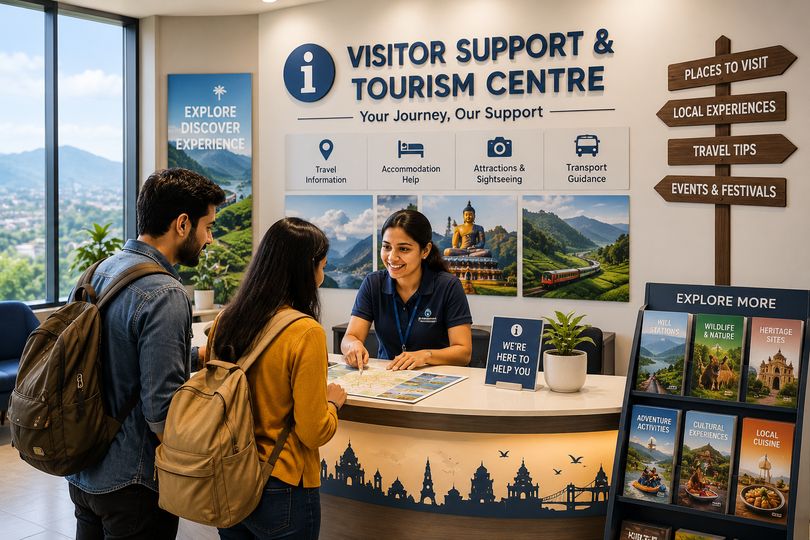
A modern visitor support centre is more than a traditional information desk. It acts as a central point where tourists can receive travel information, discover local attractions, understand transportation options, find accommodation, learn about events, and get assistance with their travel plans. For destinations that welcome visitors throughout the year, these centres play an important role in creating a positive tourism experience.
What Is a Visitor Support & Tourism Centre?
A Visitor Support & Tourism Centre is a dedicated facility designed to help tourists and travellers obtain useful information and assistance during their visit. It provides visitors with local knowledge that may not always be easy to find online or through general travel platforms.
Tourism centres can offer information about sightseeing locations, historical landmarks, cultural attractions, nature destinations, restaurants, hotels, transportation, local activities, shopping areas, and upcoming events. Staff members may also help visitors understand routes, travel times, local customs, and important travel guidelines.
For first-time visitors, having a reliable source of local information can reduce confusion and save valuable time. Instead of searching through multiple websites or applications, travellers can access several types of information in one convenient location.
Why Visitor Support Centres Are Important
Planning a trip involves many decisions. Travellers need to know where to go, how to get there, where to stay, what activities are available, and which attractions are suitable for their interests. A tourism centre helps simplify these decisions.
One of the biggest advantages is local expertise. Local tourism professionals are familiar with popular attractions as well as lesser-known places that may not appear prominently in online searches. They can provide practical recommendations based on weather, seasonal conditions, travel time, visitor preferences, and local events.
A visitor support centre can also improve the overall travel experience by helping tourists avoid common problems. For example, visitors may need directions, transportation information, information about opening hours, or advice about nearby attractions. Quick access to accurate information can make a significant difference.
Key Services Offered by a Tourism Centre
A well-organised tourism and visitor support centre can provide a wide range of services. While facilities differ depending on the destination, some of the most common services include the following.
1. Travel Information and Guidance
Travel information is one of the primary services provided by a visitor centre. Tourists can learn about important attractions, recommended routes, local transportation, sightseeing opportunities, and popular areas.
Information may be available through maps, brochures, digital displays, websites, or direct assistance from tourism staff. Visitors can use this information to create an itinerary that matches their available time and interests.
2. Local Attraction Information
Every destination has attractions that make it unique. These may include historical sites, temples, museums, parks, viewpoints, markets, cultural centres, wildlife areas, entertainment venues, and natural landscapes.
A tourism centre helps visitors understand what each attraction offers and how it can fit into their travel plans. This is particularly helpful for tourists who have limited time and want to prioritise the most relevant places.
3. Accommodation Assistance
Finding suitable accommodation is another important part of travel planning. Visitors may need information about hotels, resorts, guesthouses, serviced apartments, or budget-friendly stays.
A tourism centre can provide general information about different accommodation areas and help travellers understand which locations may be convenient for sightseeing, business travel, families, or longer stays.
4. Transportation Guidance
Getting around an unfamiliar destination can sometimes be challenging. Visitors may not know which transportation options are available or which routes are most convenient.
Tourism centres can provide guidance regarding buses, taxis, trains, rental vehicles, local transport, airport connections, and other travel options. Clear transportation information allows tourists to plan journeys more efficiently.
5. Maps and Tourist Guides
Maps remain valuable even in the digital age. A well-designed tourist map can help visitors understand the layout of a destination and identify nearby attractions.
Tourist guides may also include information about restaurants, shopping areas, cultural attractions, emergency services, transportation points, and important landmarks. Printed and digital guides can work together to provide visitors with easy access to useful information.
6. Information About Local Events
Festivals, cultural programmes, exhibitions, fairs, concerts, sporting events, and seasonal celebrations can add an exciting dimension to a trip.
A visitor support centre can inform tourists about events taking place during their stay. This allows travellers to experience local culture and participate in activities they might otherwise miss.
7. Local Experience Recommendations
Modern travellers increasingly look for authentic experiences rather than simply visiting famous landmarks. They may want to discover local food, traditional markets, cultural activities, nature trails, handicrafts, or community-based experiences.
Local tourism professionals can introduce visitors to experiences that reflect the character of the destination. This can make a trip more memorable while also supporting local businesses and communities.
Benefits for Tourists
A Visitor Support & Tourism Centre provides several practical benefits for travellers.
Saves Time
Travel research can take hours when information is scattered across different websites and platforms. A tourism centre brings important information together, helping visitors make decisions more quickly.
Provides Local Knowledge
Online information is useful, but local knowledge can provide additional practical value. Tourism staff can explain which places are worth visiting, how long a journey may take, and which attractions may suit particular travellers.
Makes Travel More Convenient
From maps and directions to transportation information and sightseeing recommendations, visitor support services reduce the difficulties associated with exploring an unfamiliar destination.
Helps With Better Planning
Travellers can use tourism centre information to create realistic itineraries. Instead of attempting to visit too many locations in a short period, visitors can organise their schedules according to distance, opening times, transportation, and personal interests.
Supports Safer Travel
Reliable information can help tourists make informed decisions about routes, transportation, weather-related conditions, and local travel practices. Visitors should still follow official safety guidance and local regulations, but a tourism centre can be a useful first point of guidance.
Supporting Different Types of Travellers
A good tourism centre should be useful for different categories of visitors.
Families may need information about child-friendly attractions, parks, restaurants, accommodation, and convenient transportation.
Solo travellers may look for sightseeing routes, cultural experiences, public transportation, and practical travel guidance.
Senior travellers may prefer information about comfortable transportation, accessible attractions, rest areas, and shorter sightseeing routes.
Business travellers may need information about hotels, meeting facilities, transportation connections, restaurants, and attractions that can be visited during limited free time.
International tourists may require additional assistance with local transportation, cultural practices, language support, currency information, and destination-specific travel guidance.
By understanding the needs of different visitors, tourism centres can deliver a more personalised and useful experience.
The Role of Technology in Modern Tourism Centres
Technology has transformed the way people travel. Visitors now use smartphones, online maps, travel applications, digital booking platforms, and social media to research destinations.
Modern visitor support centres can combine these technologies with traditional face-to-face assistance. Interactive displays, QR codes, digital maps, online guides, multilingual resources, and destination websites can give tourists access to information before and during their visit.
However, technology does not completely replace human support. Travellers may still have questions that require local knowledge or personalised recommendations. The combination of digital tools and knowledgeable staff can create a stronger tourism support system.
Promoting Local Tourism and Businesses
Visitor support centres can also contribute to the local economy. When tourists receive information about local attractions, restaurants, markets, cultural experiences, and activities, more visitors may explore areas beyond the most famous destinations.
This can distribute tourism spending across a wider range of local businesses. Small hotels, restaurants, tour operators, handicraft sellers, transport providers, guides, and activity organisers can all benefit from increased visitor engagement.
Tourism centres can also encourage responsible tourism by informing visitors about local culture, environmental protection, heritage conservation, and respectful behaviour.
How to Make the Most of a Visitor Support & Tourism Centre
Travellers can get better results from a tourism centre by preparing a few basic questions before visiting. Consider your available time, budget, preferred activities, transportation needs, and travel companions.
For example, visitors can ask:
- Which attractions are best for a short visit?
- What are the most convenient transportation options?
- Which areas are suitable for accommodation?
- Are there any local festivals or events during my stay?
- What cultural experiences are available?
- Which attractions are suitable for families?
- Are there any seasonal travel considerations?
- What are some lesser-known places worth exploring?
Having a basic plan allows tourism staff to provide more relevant recommendations.
Visitor Centres and Sustainable Tourism
Tourism development should benefit both visitors and local communities. Visitor support centres can contribute to sustainable tourism by encouraging travellers to respect natural environments, heritage sites, and local communities.
They can promote responsible sightseeing practices such as avoiding littering, respecting cultural sites, following designated trails, supporting local businesses, and reducing unnecessary environmental impact.
Promoting lesser-known attractions can also help reduce excessive visitor pressure on highly popular destinations. When tourists discover alternative locations, tourism benefits can be distributed more evenly throughout the region.
What Makes a Good Tourism Support Centre?
An effective visitor centre should be welcoming, informative, accessible, and easy to use. Clear signage, organised information, knowledgeable staff, comfortable facilities, and updated resources can make a significant difference.
Information should also be accurate and regularly updated. Outdated transportation schedules, incorrect opening hours, or old event information can create inconvenience for travellers.
Multilingual information can be particularly useful in destinations that receive visitors from different parts of the country and the world. Accessibility should also be considered so that people with different mobility and communication needs can use the available services comfortably.
The Future of Visitor Support & Tourism Services
The future of tourism support is likely to combine personal assistance with increasingly advanced digital tools. Artificial intelligence, interactive maps, mobile applications, virtual destination guides, and real-time travel updates may make information more accessible.
At the same time, human interaction will remain valuable. A friendly and knowledgeable tourism professional can understand a traveller’s specific needs and recommend options that automated systems may not fully capture.
The strongest visitor support models will therefore combine technology, local expertise, accessibility, and personalised service.
Conclusion
A Visitor Support & Tourism Centre is an important part of a successful tourism ecosystem. It gives travellers access to reliable destination information, transportation guidance, accommodation assistance, attraction recommendations, local experiences, maps, events, and practical travel support.
For tourists, these services can save time, simplify planning, and make exploring an unfamiliar destination more comfortable. For local communities, effective tourism support can encourage responsible travel, promote local businesses, preserve cultural heritage, and strengthen the regional tourism economy.
Whether you are planning a short sightseeing trip, a family holiday, a business visit, or an extended exploration, a visitor support centre can be a valuable starting point. By combining local knowledge with modern technology and visitor-friendly services, tourism centres help turn travel plans into smoother, more enjoyable experiences.
When exploring a new destination, do not underestimate the value of local guidance. The right information at the right time can help you discover more, travel smarter, and experience the destination with greater confidence.